Why owners avoid chicken
Chicken is in a huge share of dog food and treats, from kibble and canned food to jerky, biscuits and dental chews. That is exactly why it comes up so often with itchy dogs. Food allergies usually build up to proteins a dog eats regularly, and chicken, beef and dairy are among the most commonly reported.
So when a dog is scratching, licking its paws or getting repeated ear trouble, cutting out chicken is often one of the first things owners and vets try.
Itching has many causes
Before changing treats, it helps to know that food is only one possible cause of itching. Fleas and environmental allergies to pollen, grasses or dust mites are common too, and they can look very similar. Skin infections and other conditions can also cause scratching.
That is why it is worth seeing your vet if itching keeps coming back. Swapping to chicken-free treats is a good step, but it will not fix an itch that has nothing to do with food.
Where chicken hides on a label
Many treats sold as "beef", "lamb" or "salmon" also contain chicken. It often appears lower down the ingredient list, under names such as:
- chicken, chicken meal or chicken liver
- chicken fat, chicken broth or chicken flavour
- poultry, poultry meal or poultry fat
- "meat", "meat meal", "animal fat" or "animal digest", where the animal is not named
If the label does not name the animal, you cannot be sure chicken is not in it. A single-ingredient treat avoids the problem entirely: if the only ingredient is lamb lung, the only animal is lamb.
Novel proteins like venison
A novel protein is one your dog has rarely or never eaten. Because allergies usually build up through repeated exposure, a novel protein is less likely to be a problem for a dog that reacts to the everyday meats.
Venison is one of the most common choices in New Zealand. Most dogs here have grown up on chicken, beef and lamb, so venison is genuinely new to them. Other novel proteins include kangaroo, rabbit and goat.
One caution: if your dog reacts to chicken, avoid other poultry such as turkey and duck too until your vet says otherwise, because related birds can cause similar reactions.
Treats during an elimination diet
An elimination diet is how vets confirm a food allergy. Your dog eats one carefully chosen protein, usually for around eight weeks, and nothing else. Then foods are added back one at a time to see what causes a reaction.
Treats are where most trials go wrong. A single biscuit, chew or dental stick with a different protein in it can undo weeks of work. If your dog is on a trial, only give treats your vet has approved. Often that means a single-ingredient treat made from the same protein as the trial diet.
Single protein, not "hypoallergenic"
You will see treats sold as "hypoallergenic". It is worth being careful with that word. A dog can develop an allergy to any protein, including venison or lamb, so no ordinary treat is allergy-proof for every dog.
What a single-ingredient treat does give you is clarity. If your dog reacts, there is one ingredient to look at instead of a long list. Our guide tosingle protein dog treats covers this in more detail.
Chicken-free treat picks
Every Furmajesty treat is air-dried in New Zealand with nothing added, and none contains chicken. Here is how they suit different dogs:
For an itchy dog trying a novel protein: Venison Trachea
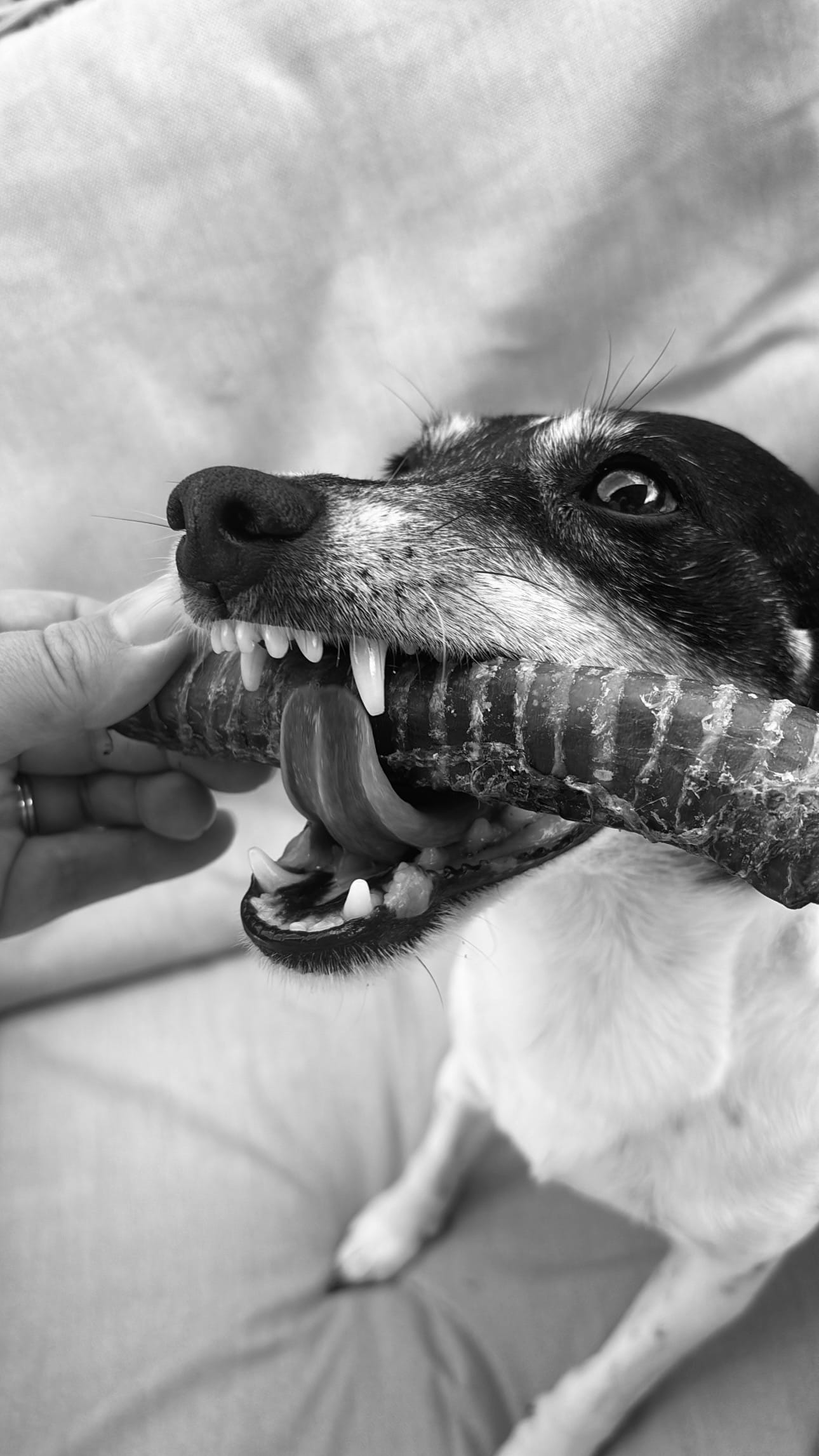
100% venison, a protein most New Zealand dogs have rarely eaten. A long chew for adult dogs that helps scrape the teeth. Venison Trachea.
For training: Lamb Lung Chunks
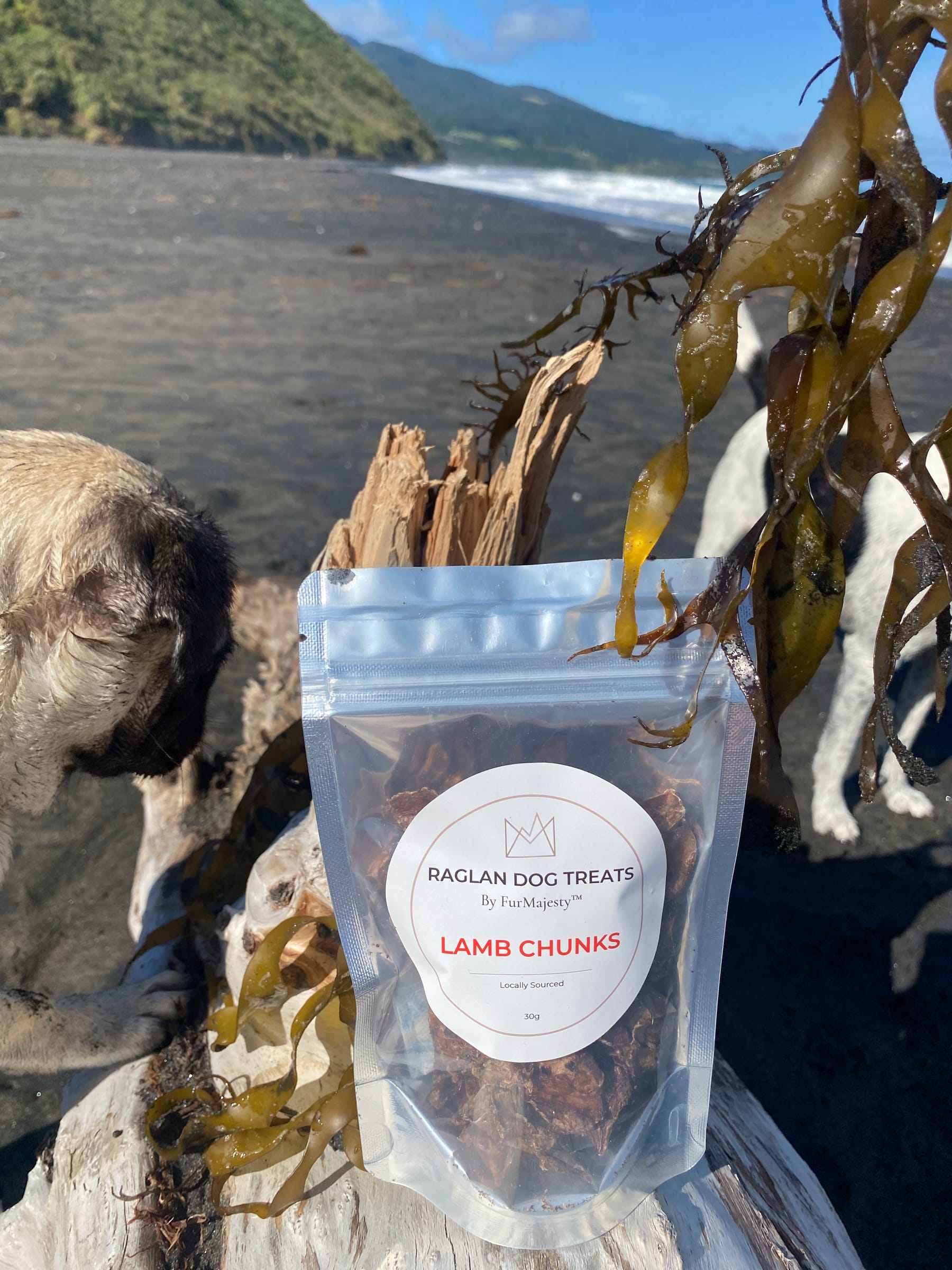
100% lamb lung, lean and light. It tears into tiny pieces, which suits training and puppies. Lamb is a common protein, so it suits dogs that already eat lamb without trouble.Lamb Lung Chunks.
For fussy eaters: Crunchy Green Tripe Bites
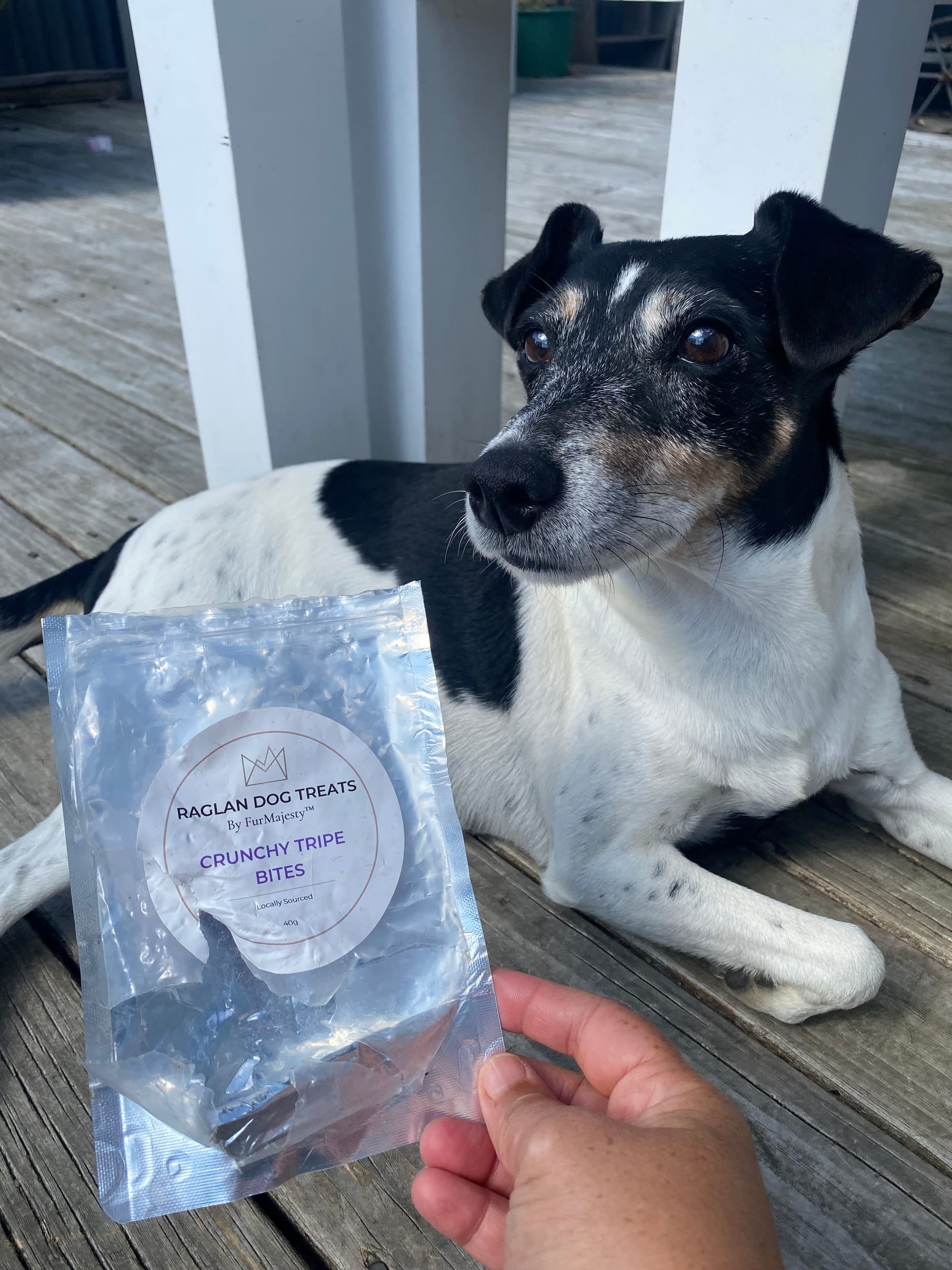
100% beef green tripe with a strong smell dogs love. Skip it if your dog reacts to beef.Crunchy Green Tripe Bites.
For a joint-focused routine: Venison and Green-Lipped Mussel
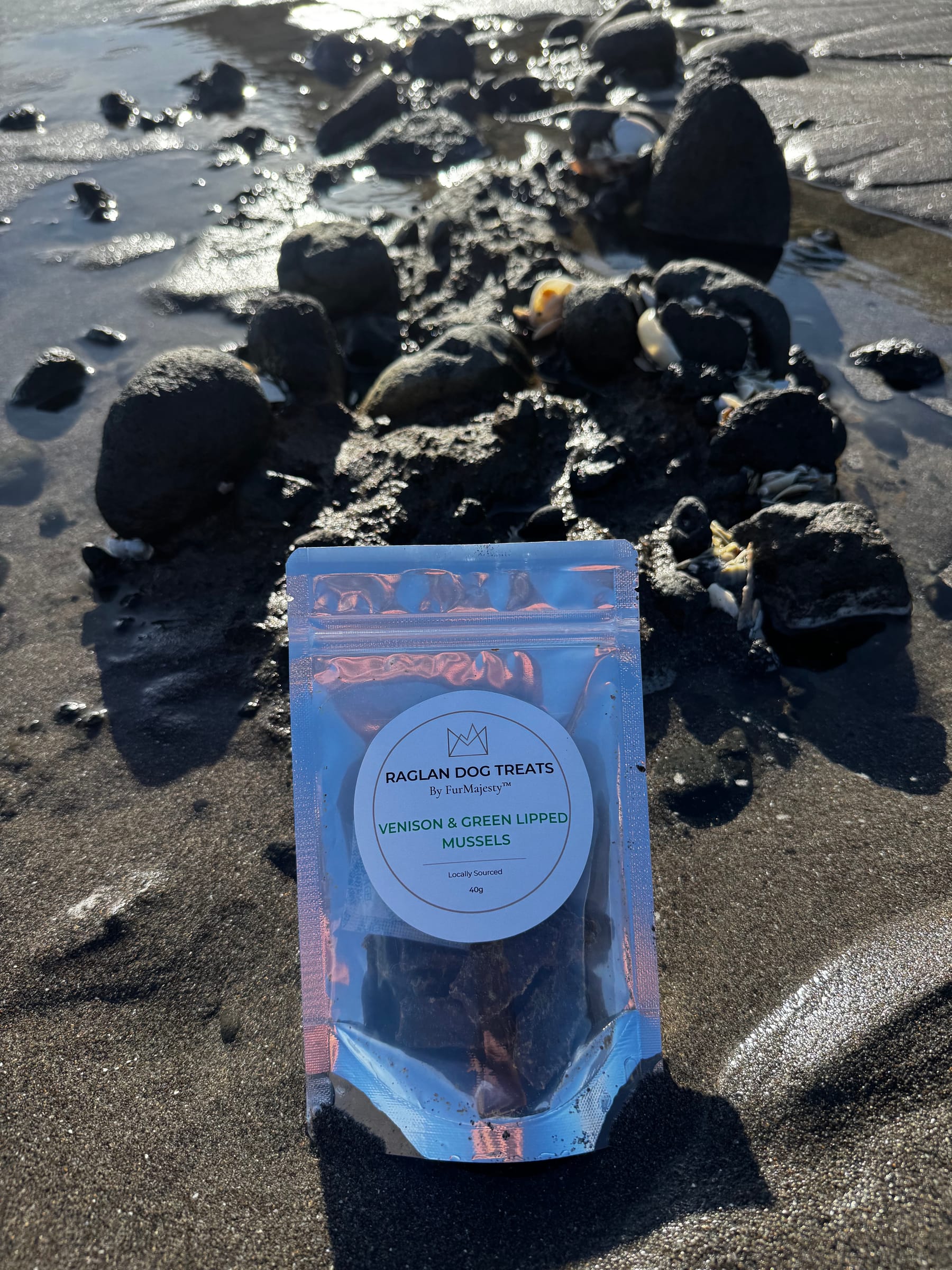
Venison with New Zealand green-lipped mussel, a natural source of omega-3. Two proteins rather than one, and not suitable for dogs with a shellfish sensitivity.Venison and Green-Lipped Mussel.
The Treat Finder lets you tick the proteins your dog must avoid, such as beef or shellfish, and only suggests treats that fit.
When to see a vet
See your vet if your dog has:
- itching that keeps coming back or keeps them awake
- red, broken or hot skin, hair loss or a smell from the skin or ears
- repeated ear infections
- vomiting, diarrhoea or weight loss alongside the itching
Your vet can work out whether the cause is fleas, the environment, an infection or food, and set up an elimination diet if food is the likely cause.
This guide is general information about treats, not veterinary advice. If your dog has a known allergy, a medical condition or is on a prescribed diet, check with your vet before introducing a new food.