What single protein means
A protein in dog food usually means the animal it came from: chicken, beef, lamb, venison, fish and so on. A single protein treat uses one of those and no others. Air-dried lamb lung is lamb and nothing else. A venison trachea is venison and nothing else.
That sounds obvious, but many treats are not what the front of the pack suggests. A treat sold as "lamb" or "beef flavour" can list chicken, chicken fat, "meat meal" or "animal digest" further down the ingredients. For most dogs that does not matter. For a dog with a sensitivity, it is the whole problem.
Single protein vs single ingredient
The two terms overlap, but they are not the same:
- Single protein: one animal protein. There may still be other ingredients, such as vegetables, oils, binders or preservatives.
- Single ingredient: one ingredient in total. Nothing is added at all.
A plain air-dried treat made from one part of one animal is both. That is the simplest treat you can give, and the easiest to reason about.
Why it matters
The point of a single protein treat is control. When a dog has itchy skin, sore ears or an upset stomach, the first question is usually "what did they eat?" With a blend of proteins and additives, there is no clean answer. With one protein, there is.
It helps in three common situations:
- dogs with known or suspected food sensitivities
- dogs on an elimination diet set by a vet
- owners who want to rotate proteins on purpose
Allergies and elimination diets
Food allergies in dogs are most often linked to proteins the dog eats every day. Beef, dairy and chicken are among the most commonly reported. That is why many owners of itchy dogs look forvenison, a "novel" protein that most New Zealand dogs have rarely eaten.
An elimination diet is how vets confirm a food allergy. The dog eats one carefully chosen protein, usually for around eight weeks, and nothing else. Treats count. A single biscuit with a different protein in it can undo weeks of work, so any treat during a trial should be a single ingredient that matches what your vet has approved. Check with your vet before adding anything.
One honest caution: "single protein" is not the same as "hypoallergenic". A dog can react to any protein, including a novel one. What a single protein treat gives you is a clear answer if it does.
For more on chicken-free options and itchy dogs, seedog treats without chicken.
Training and rotation
Single ingredient treats are not only for sensitive dogs. They also make good everyday rewards, because you know exactly what is going in.
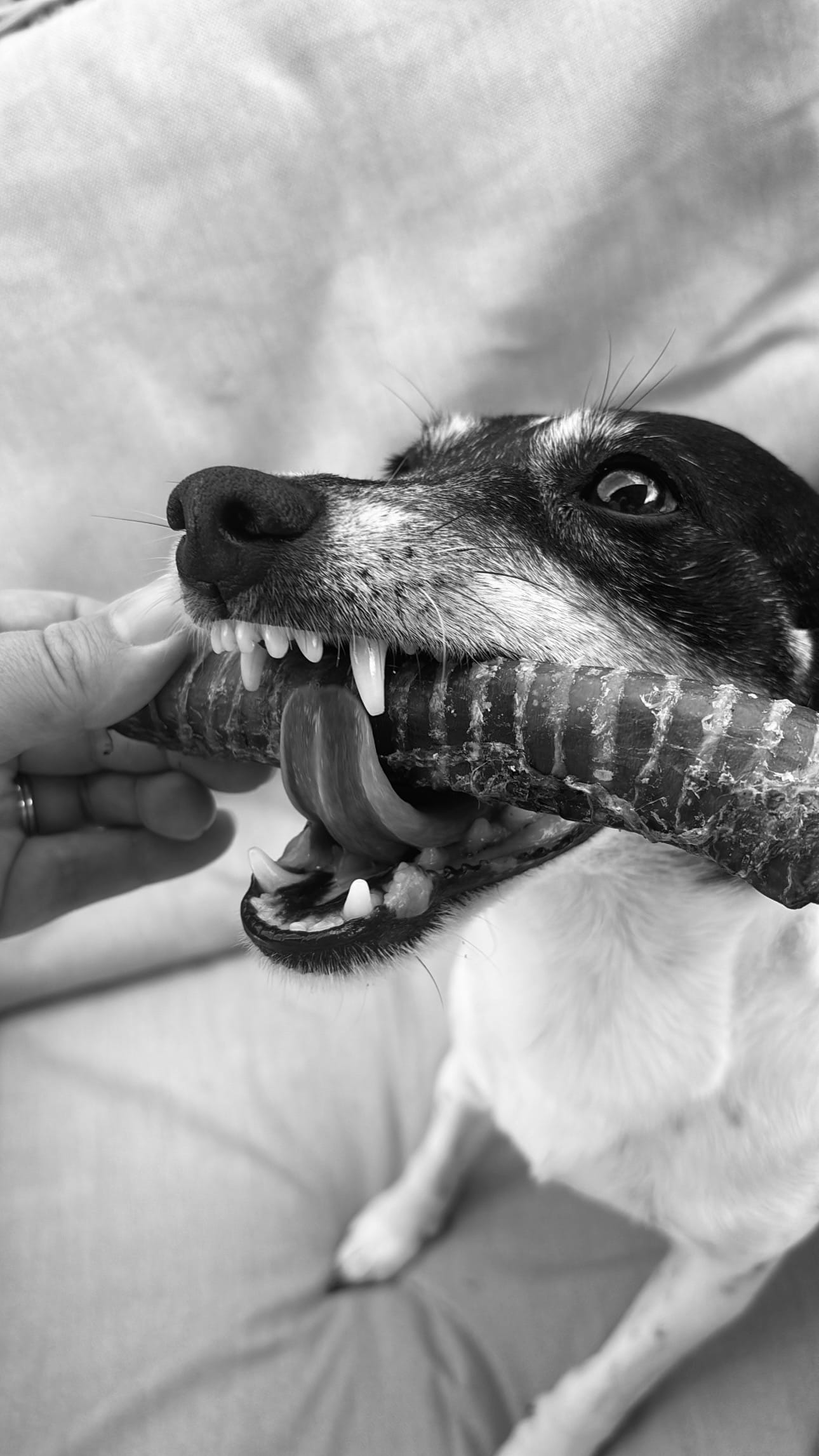
For training, lean and light is what you want. Air-dried lamb lung tears by hand into tiny pieces, so a long session does not turn into a meal. For a longer chew, venison trachea keeps a dog busy and the chewing helps scrape the teeth.
Rotation means changing the protein from time to time rather than feeding the same one every day. Many owners like it for variety and interest. Single protein treats make rotation deliberate: you choose the protein, rather than getting whatever is in a mixed bag.
How to read a treat label
A quick check before you buy:
- Read the full ingredient list, not just the name on the front.
- Look for every animal protein: chicken, beef, lamb, pork, fish, egg, dairy.
- Watch for vague terms such as "meat meal", "animal digest", "animal fat" or "poultry". You cannot tell which animal they came from.
- Check for added flavours, glycerine, sugar, colourings and preservatives.
- The shorter the list, the easier it is to know what your dog is eating.
For a fuller checklist, see what to avoid in dog treats.
The proteins in the Furmajesty range
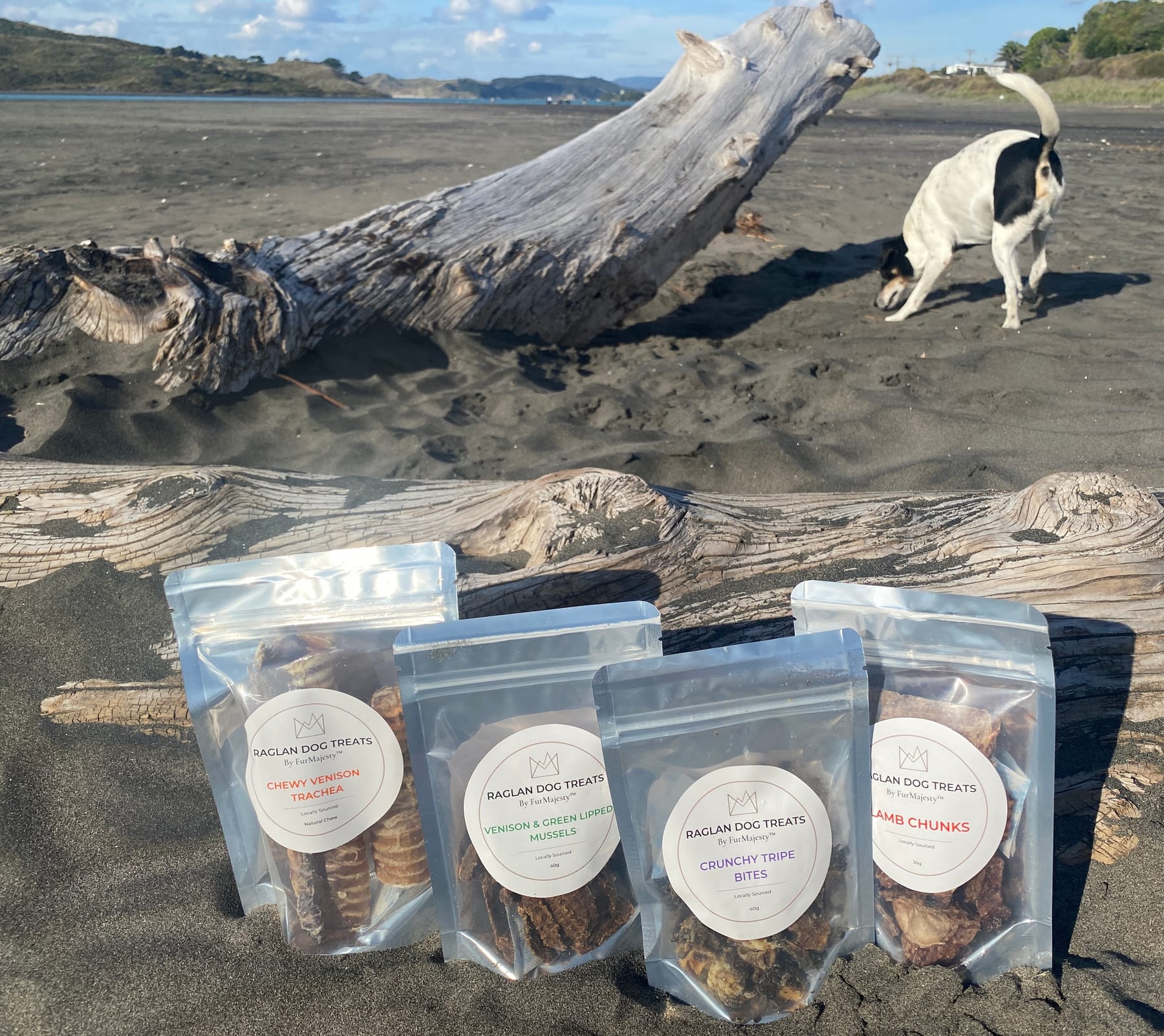
Every Furmajesty treat is air-dried in New Zealand and none contains chicken. Three are a single ingredient, and one pairs two proteins:
Venison trachea
The windpipe, a ringed tube of cartilage. Cartilage naturally contains glucosamine and chondroitin, and working through a firm chew helps scrape plaque from the teeth. Venison is a novel protein for most dogs. Best for adult dogs that like to chew.Is trachea good for dogs?
Green tripe (beef)
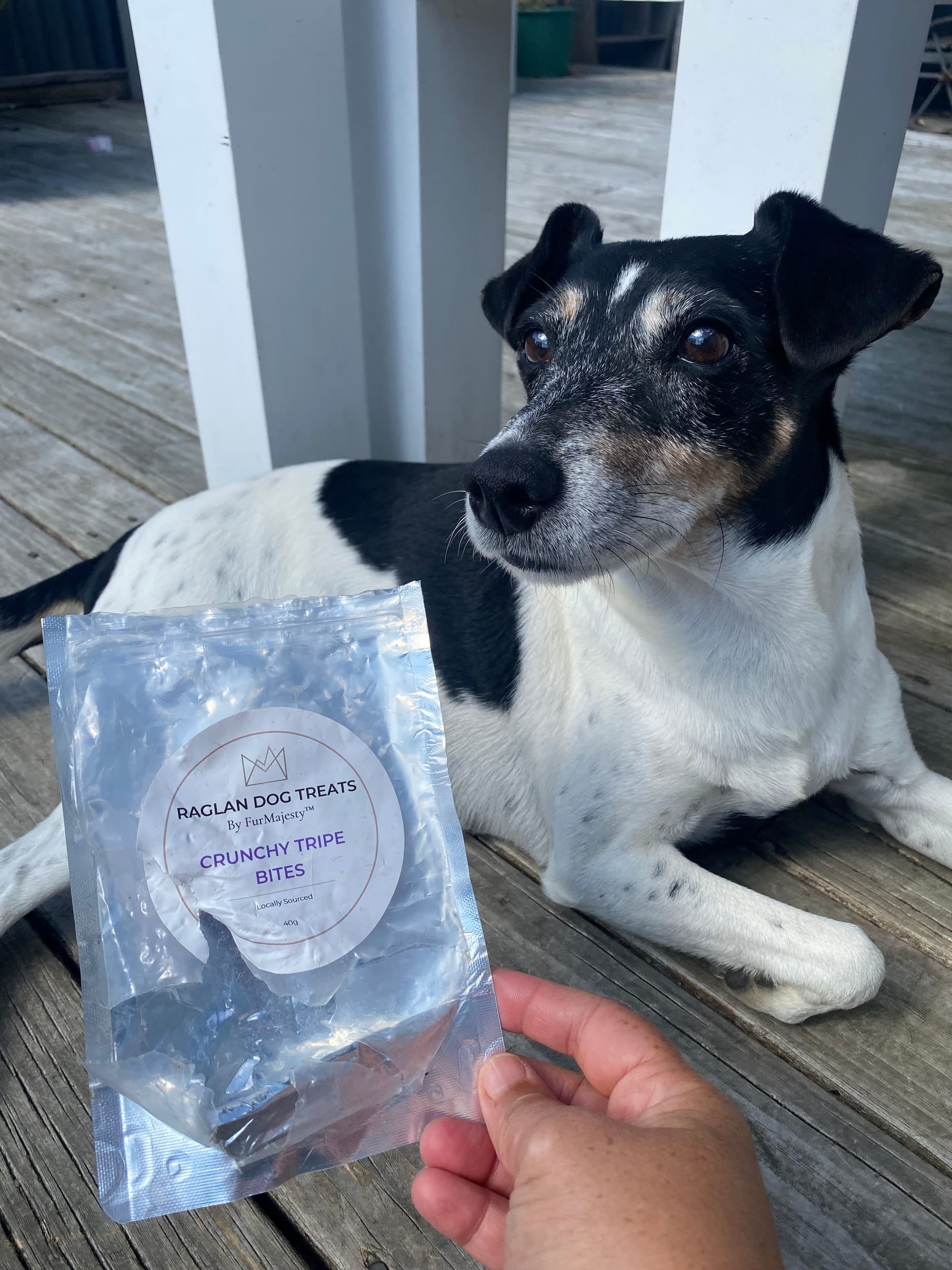
The stomach lining of a grazing animal, left unbleached. It has a strong smell that dogs love, which makes it a go-to for fussy eaters. It is one of the richer treats, so give it in moderation.What is green tripe?
Lamb lung
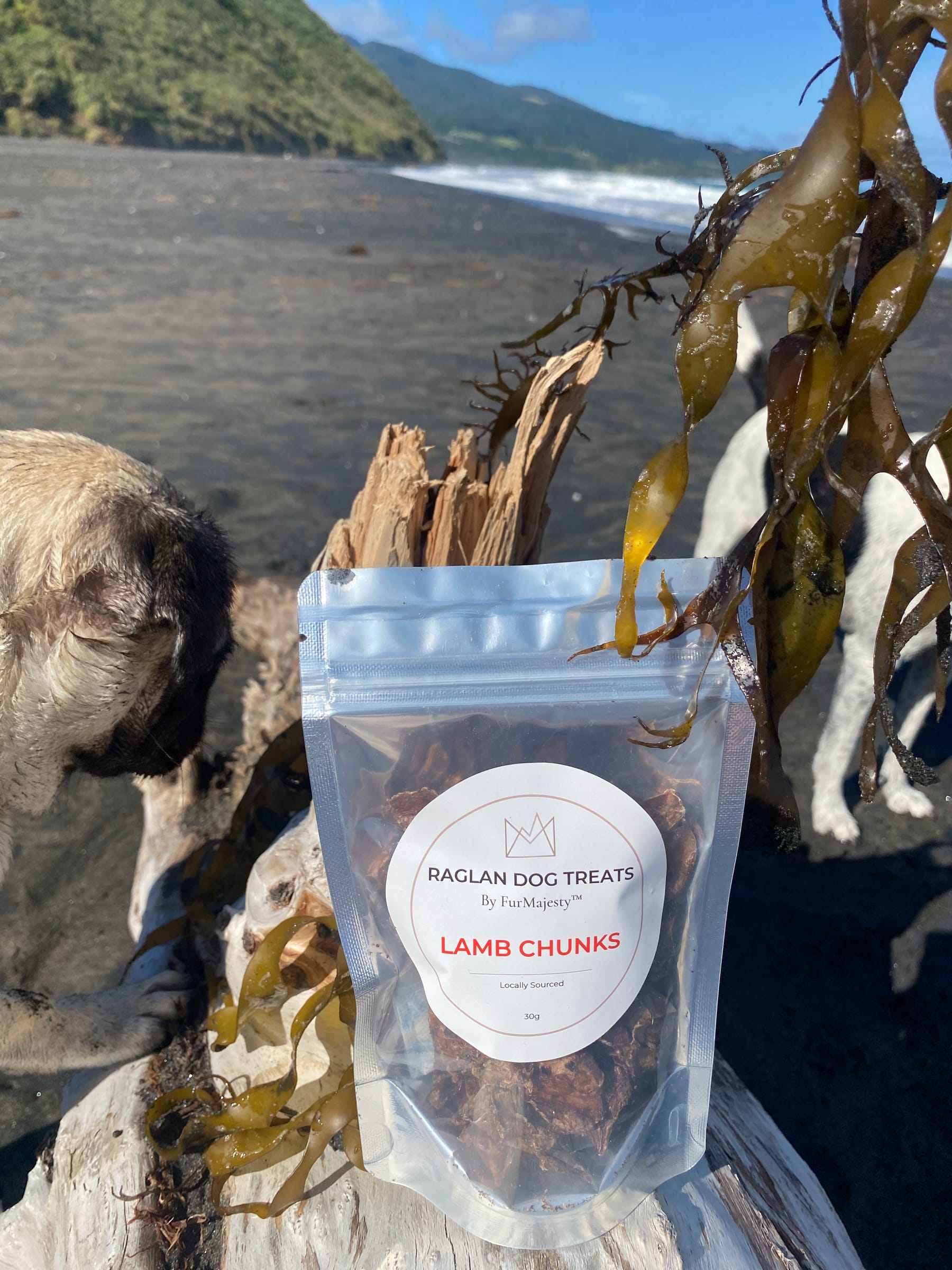
Lean, light and airy. It tears into tiny pieces by hand, which makes it the easiest training treat in the range and the softest option for puppies.Is lamb lung good for dogs?
Venison and green-lipped mussel
The one treat in the range with two proteins. Lean venison is paired with New Zealand green-lipped mussel, a natural source of omega-3 fatty acids that is widely used in dog joint products. It is not suitable for dogs with a shellfish sensitivity.Does green-lipped mussel work for dogs?
Not sure which suits your dog? The Treat Finder asks six quick questions about size, age, chewing style and anything to avoid, then suggests a match.
How many treats a day
A common rule of thumb from vets is to keep treats to around 10% of a dog's daily food, so the main diet still does the nutritional work. Lean treats such as lung let you give more rewards within that limit. Richer ones such as tripe are better as an occasional favourite. There is a table by body weight in how many treats a dog can have, and puppy advice in treats for puppies.
Whatever you choose, introduce new treats one at a time, supervise chews, and keep fresh water out.
This guide is general information about treats, not veterinary advice. If your dog has a known allergy, a medical condition or is on a prescribed diet, check with your vet before introducing a new food.