What green-lipped mussel is
The green-lipped mussel, Perna canaliculus, is a shellfish native to New Zealand. You can recognise it by the bright green edge on its shell. It is farmed in New Zealand waters, especially in the Marlborough Sounds and the Coromandel, and is one of the country's best-known exports.
For dogs, it is sold in two main forms: as a powder or capsule supplement with a measured amount per dose, and as an ingredient in treats and food.
What it contains
Green-lipped mussel naturally contains:
- Omega-3 fatty acids, including EPA and DHA, plus a less common one called ETA. Omega-3s are why the mussel is used in joint products.
- Glycosaminoglycans, the family of compounds that chondroitin belongs to.
- Protein and minerals, like most shellfish.
How much of each a product contains depends a lot on how the mussel was processed. Omega-3s are sensitive to heat, which is why careful, low-heat processing matters for mussel products.
What the research says
Green-lipped mussel has been studied in dogs more than most natural joint ingredients, which is part of why it is so popular. Some small studies in dogs with osteoarthritis have reported improvements in mobility, stiffness or comfort scores after several weeks of daily supplements.
But the honest picture has limits:
- Most studies are small and short.
- Results are mixed, and some found little or no difference.
- Studies used measured supplement doses, not treats.
- It is not a cure for arthritis and does not replace veterinary care.
So the fair answer to "does green-lipped mussel work for dogs?" is: it may help some dogs with joint problems, used consistently over weeks, as part of a wider plan. It is not a quick fix.
A treat is not a dose
This is the most important point in this guide. A supplement is designed to give a specific amount of green-lipped mussel per dose, scaled to your dog's weight. A treat that contains mussel gives an unmeasured amount that varies from piece to piece.
That makes the two useful for different things:
- A supplement is the right choice if you want to give green-lipped mussel for a dog's joints, ideally with your vet's advice on the amount.
- A treat that contains mussel is a tasty reward that includes a natural source of omega-3. It is a nice fit for a joint-focused routine, but it should not be relied on as a supplement.
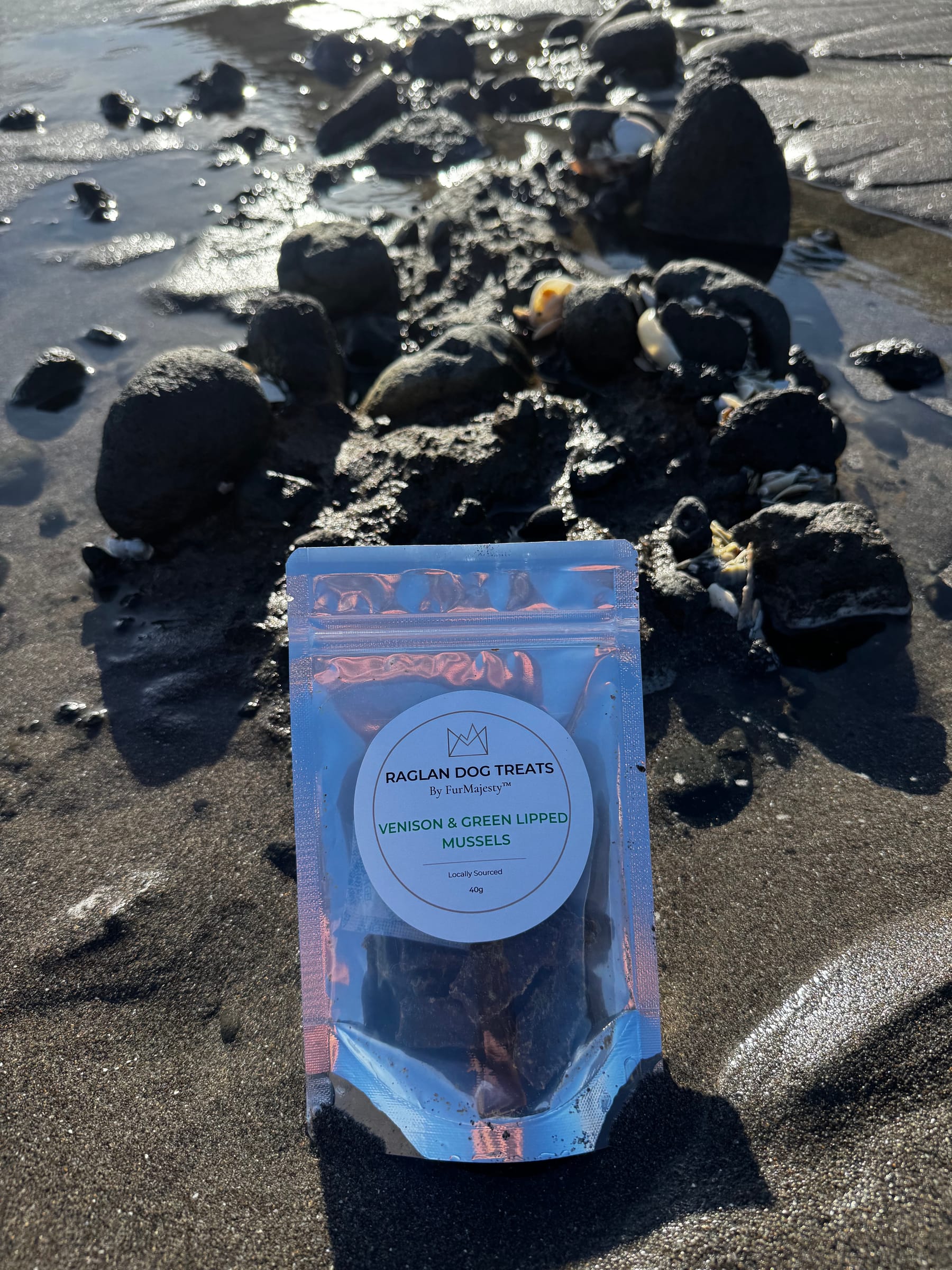
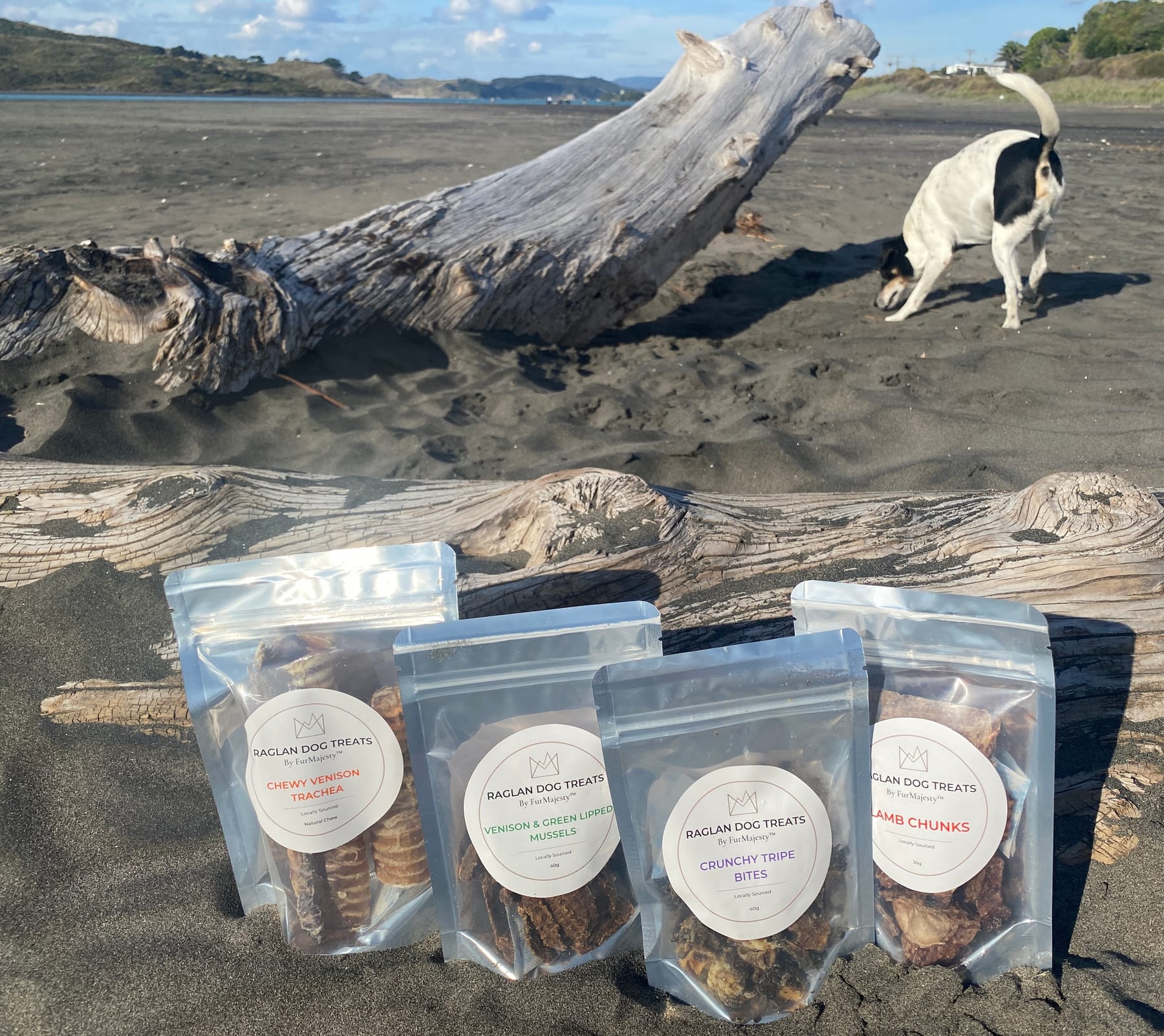
That is how we describe our ownVenison and Green-Lipped Mussel treat: a treat with New Zealand green-lipped mussel in it, not a measured joint supplement.
Who it is popular for
Owners most often choose green-lipped mussel for dogs that put the most load through their joints:
- senior dogs
- large and giant breeds
- working, sporting and very active dogs
- dogs that are carrying extra weight, alongside a weight-loss plan
For any of these, keeping your dog lean is one of the most effective things you can do for its joints. Less weight means less load on every step. Our guide totreats for senior dogs and stiff jointscovers choosing treats for older dogs.
Vs fish oil and glucosamine
The three are often compared, but they are different things:
- Fish oil gives larger, measured amounts of the omega-3s EPA and DHA, and has been studied more widely in dogs with arthritis.
- Green-lipped mussel also contains omega-3s, in a different mix, along with glycosaminoglycans.
- Glucosamine is a separate compound, usually taken as its own supplement, often with chondroitin. The evidence for it in dogs is also mixed.
There is no single right answer, and some dogs are given more than one. Your vet can help you choose, and make sure the total omega-3 your dog gets from all sources makes sense.
Safety
Green-lipped mussel is generally well tolerated by healthy adult dogs. A few cautions:
- Shellfish allergy: avoid it completely.
- Other medication or health conditions: ask your vet first, especially if your dog is on long-term medication.
- Puppies: healthy puppies do not normally need a joint supplement, and our mussel treat is made for adult dogs.
- New foods: introduce it gradually and stop if your dog has an upset stomach.
When to see a vet
See your vet if your dog:
- is limping, stiff after rest, or slow to get up
- is reluctant to jump, climb stairs or go for walks
- licks or chews at a joint, or yelps when touched
- has changed behaviour, such as being grumpy or withdrawn
These can be signs of pain. Arthritis is very manageable, and your vet can put together a plan that may include weight control, exercise changes, pain relief and supplements. For more on choosing simple treats, see what single protein dog treats are.
This guide is general information about treats, not veterinary advice. If your dog has a known allergy, a medical condition or is on a prescribed diet, check with your vet before introducing a new food.