When is a dog a senior?
It depends a lot on size. Giant breeds are often considered senior from around 5 or 6, medium and large dogs from around 7 or 8, and small breeds a little later. Some dogs slow down well before that, and some stay lively well past it, so your vet's view of your own dog matters more than a number.
What changes with age
A few changes matter when you are choosing treats for an older dog:
- Fewer calories needed. Most older dogs move less, so the same treats that suited them at three can put weight on at ten.
- Teeth wear down. Worn, cracked or loose teeth make hard treats uncomfortable.
- Joints stiffen. Osteoarthritis is common in older dogs, especially larger breeds.
- Stomachs can be more sensitive, so sudden changes and rich food are more likely to cause an upset.
Weight comes first
If there is one thing to take from this guide, it is this: for a dog with stiff joints, keeping lean is one of the most effective things you can do. Every extra kilo is more load through hips, knees and elbows on every step.
That makes lean treats the best everyday choice for most seniors:
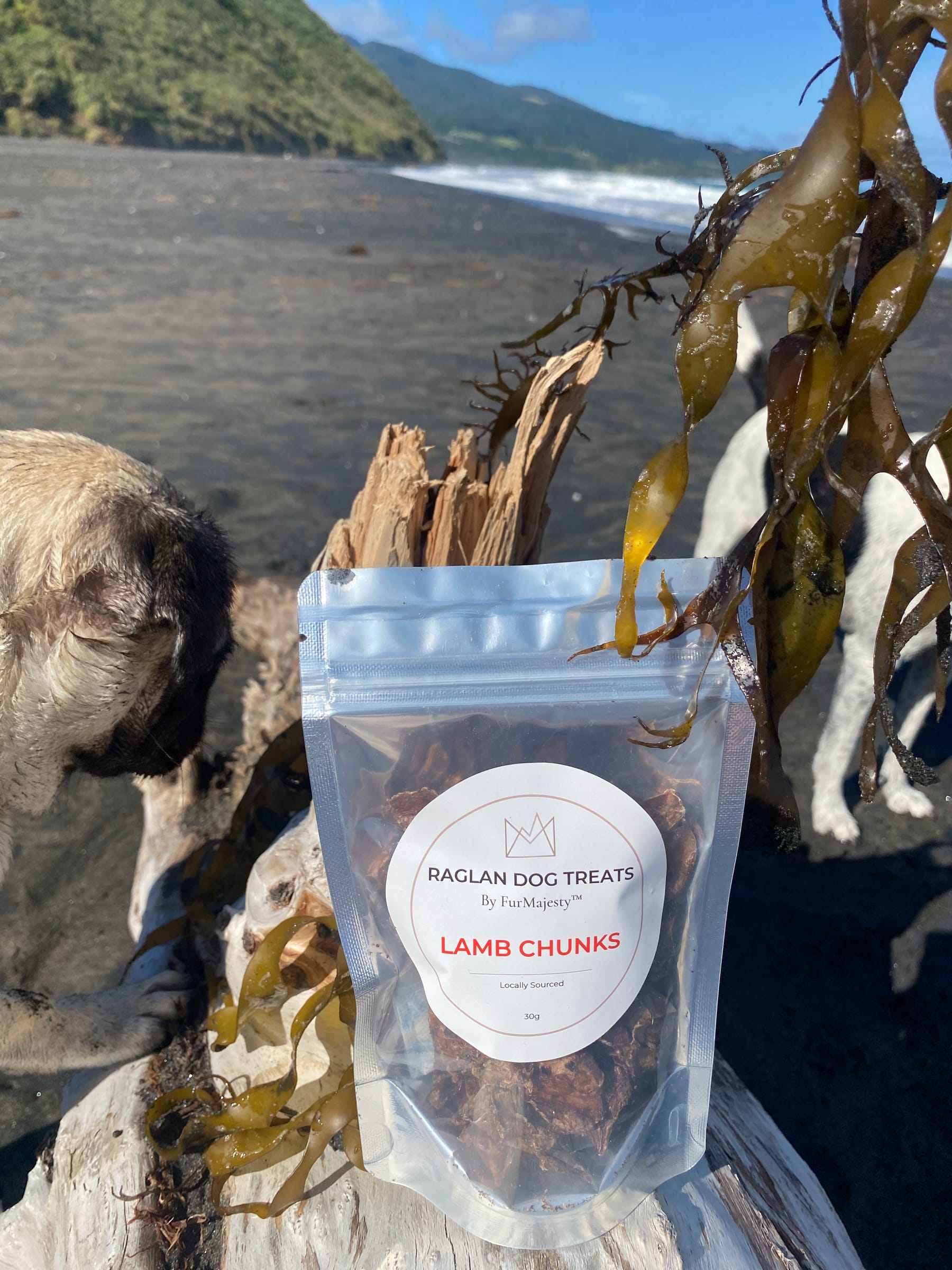
- Lean protein. Air-dried lamb lungis light and low in fat, so a little goes a long way.
- Small pieces. Breaking treats up gives the same reward for fewer calories.
- Rich treats in moderation. Green tripe is a favourite, but it is richer, so keep it as an occasional treat rather than a daily one.
The usual rule of thumb is to keep all treats to around 10% of daily food. For a senior dog that is gaining weight, aim lower. Our guide tohow many treats a dog can have a day has a body-weight table.
Texture for older teeth
Match the treat to your dog's teeth, not just its age:
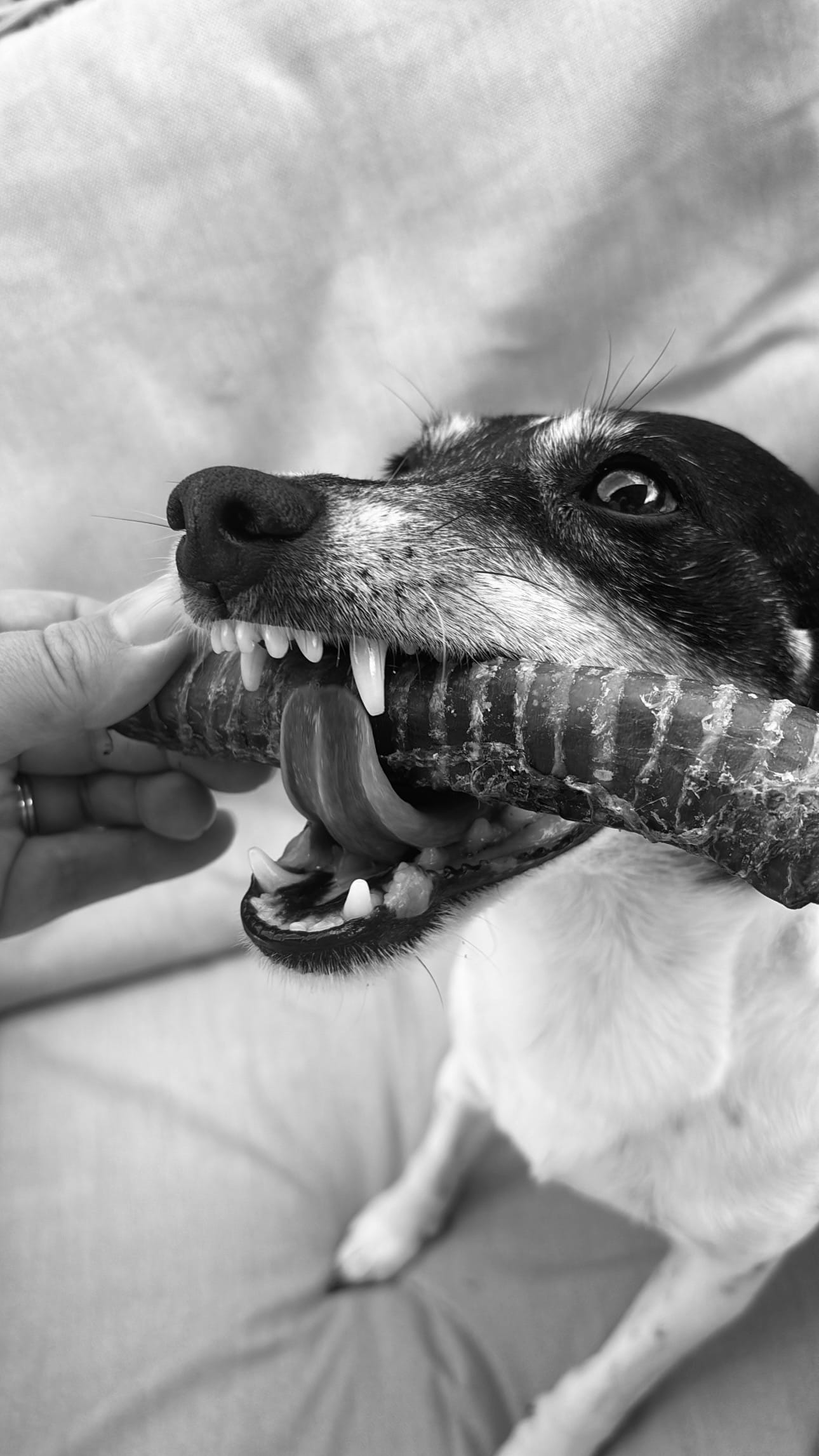
- Healthy teeth: a light, ridged chew such asvenison trachea is gentler than bones, antlers or hard nylon chews, and chewing is good mental exercise. Always supervise.
- Worn or sore teeth: choose something soft or crumbly that breaks easily by hand. Lamb lung tears into tiny, airy pieces.
- Missing teeth or a very small mouth: crumble treats into pieces that can be swallowed without chewing.
If your dog starts dropping hard treats, chewing on one side or going off food, ask your vet to check its teeth. Dental pain is common in older dogs and often goes unnoticed.
Joint-focused ingredients
Two natural ingredients come up most often when people talk about treats and joints:
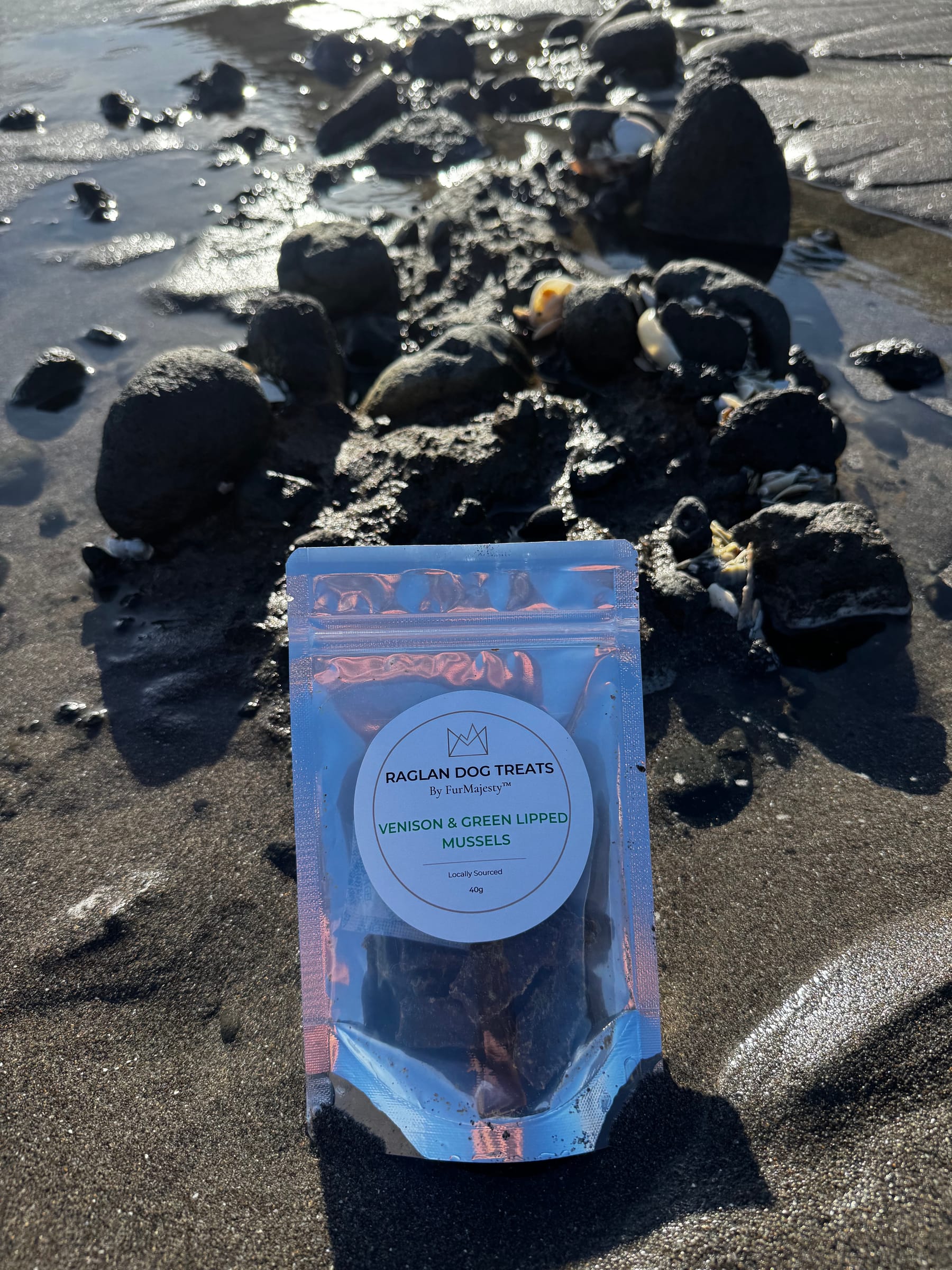
- Green-lipped mussel. A New Zealand shellfish that contains omega-3 fatty acids and is widely used in dog joint products. Some small studies in dogs with osteoarthritis are encouraging, though they used measured supplement doses. OurVenison and Green-Lipped Mussel treat contains it, but it is a treat, not a measured dose. Seedoes green-lipped mussel work for dogs?
- Cartilage, such as trachea. Cartilage naturally contains glucosamine and chondroitin, the compounds sold in joint supplements. How much a dog absorbs from a chew has not been well studied. See is trachea good for dogs?
Both are good things to have in a senior dog's treat routine. Neither replaces a supplement your vet recommends, and if you want a measured amount of either, a supplement is the right tool.
Treats for dogs with arthritis
If your dog has been diagnosed with arthritis, the most useful things a treat can do are simple:
- Not add weight, so choose lean treats and keep portions small.
- Be easy to eat, so a sore dog does not have to work for it.
- Fit around the vet's plan, which may include weight control, gentle exercise, pain relief and supplements.
Treats can also make the plan easier. A high-value reward helps with physio exercises, hiding a tablet, or getting through a nail trim on stiff legs.
What a treat cannot do is treat arthritis. If your dog is sore, the treat is the reward, and your vet is the plan.
Using treats to keep an older dog busy
Older dogs often cannot walk as far, but they still need things to do. Sniffing is low-impact and tiring in a good way. A few ideas:
- scatter a few small pieces of treat in the grass and let your dog find them
- hide pieces under cups or in a snuffle mat
- use treats to practise easy tricks such as touch or chin rest, which keep the mind working
Take the treats used for games out of the day's allowance, so the extra fun does not add weight.
When to check with your vet
Ask your vet before introducing new treats if your senior dog has kidney or liver disease, has had pancreatitis, is on a prescription diet, or takes regular medication. Some conditions need limits on fat, protein or minerals that a treat could upset.
And see your vet if your dog:
- is stiff after rest, slow to get up, or limping
- is reluctant to jump, use stairs or go for walks
- licks at a joint or yelps when touched
- is losing or gaining weight without a change in food
- has gone off food or treats it used to enjoy
These are common in older dogs and very manageable when caught early. For dogs that have become picky with age, see treats for fussy dogs.
This guide is general information about treats, not veterinary advice. If your dog has a known allergy, a medical condition or is on a prescribed diet, check with your vet before introducing a new food.