Why some dogs are fussy
A dog that sniffs a treat and walks away is frustrating, especially when you have bought it specially. Most fussiness comes down to a few common causes:
- Too much choice. A dog that gets plenty of treats, chews and table scraps has little reason to get excited about another one.
- The treat does not smell interesting. Many processed treats smell mild to a dog, however good they look to us.
- Distraction or stress. Plenty of dogs ignore treats at the park, the vet or a new place, then take the same treat happily at home.
- Breed and personality. Some dogs, including many small breeds, are simply more selective than others.
- Pain or illness. Sore teeth, an upset stomach or feeling unwell can all show up as a dog refusing food. More on that below.
Smell matters more than taste
Dogs decide what to eat mostly by smell. They have far more scent receptors than people and fewer taste buds, so to a dog, a treat that smells strong is far more tempting than one that only tastes good.
That is why the treats people find off-putting are often the ones dogs love most. A smell that makes you wrinkle your nose is usually a smell your dog finds hard to ignore.
Treats fussy dogs tend to accept
These kinds of treat tend to win over picky dogs most often:
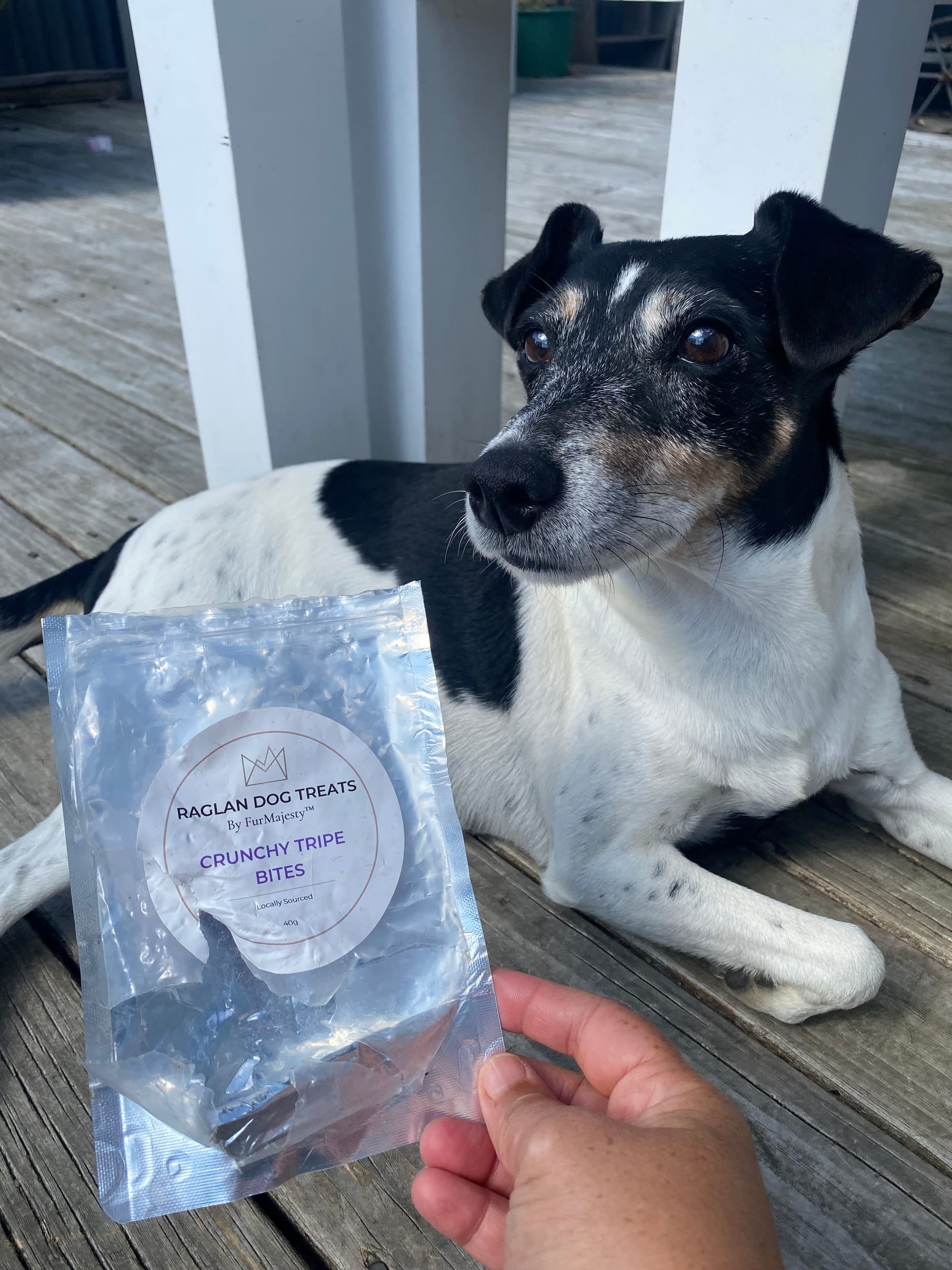
- Green tripe. The strongest-smelling treat most owners will ever buy. Because it is unbleached, it keeps the earthy smell dogs are drawn to. OurCrunchy Green Tripe Bites are the treat we reach for first with a fussy dog. See what green tripe is for more.
- Organ treats such as lung. Air-driedlamb lung has a stronger smell than plain muscle meat, is light and lean, and tears into tiny pieces, which suits small and older dogs.
- Single-ingredient treats in general. One real protein, air-dried, usually smells more like food to a dog than a biscuit made from flour, binders and flavourings.
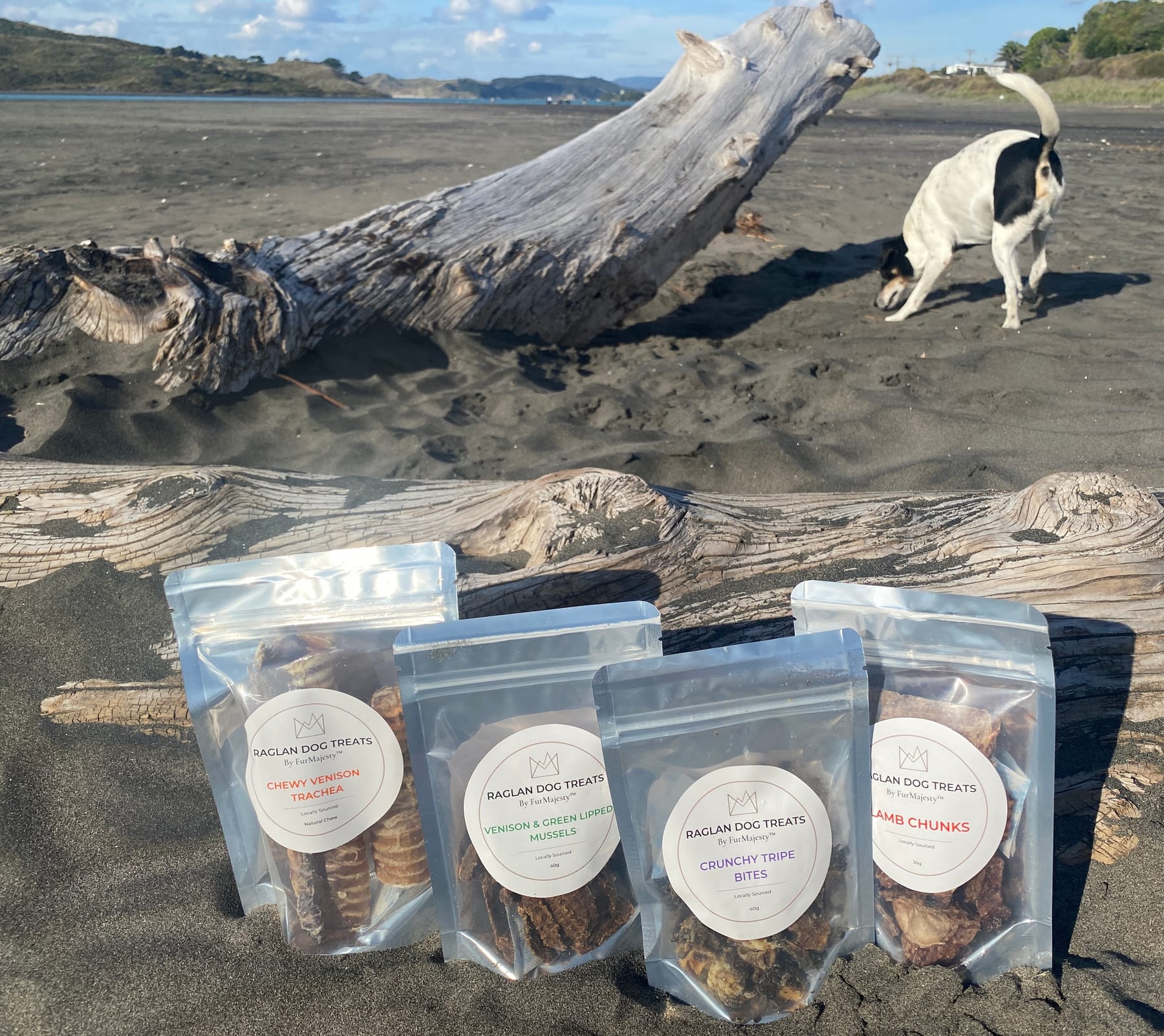
Every dog is different, so it is worth trying more than one. OurWellness Collection has all four Furmajesty treats in one box, which makes it an easy way to find out what your dog likes.
How to use them without making it worse
A high-value treat works best when it stays special. A few habits help:
- Use small pieces. Break treats into pieces the size of a pea for a small dog, or a fingernail for a large one. The smell does the work, not the size.
- Keep the best treat for the moments that matter, such as recall, nail trims or vet visits, so it does not become ordinary.
- Offer it, then put it away. If your dog walks off, pick the treat up and try again later rather than leaving it on the floor.
- Try it at home first. A dog that ignores treats somewhere busy may take the same treat calmly at home. Build up from there.
- Crumbling a little over a meal can tempt some dogs to eat, but keep it small and do not let it become a nightly expectation.
The too-many-treats trap
It is natural to keep offering something new when a dog refuses a treat. Often that teaches the dog that holding out brings something better. A common rule of thumb from vets is to keep all treats to around 10% of a dog's daily food, and fussy dogs often do better with fewer, better treats rather than more of them.
Our guide to how many treats a dog can have a dayhas a body-weight table if you want a number to work to.
Green tripe is one of the richer treats, so keep it to small amounts, and keep it for adult dogs. If your dog is on a low-fat diet or has had pancreatitis, ask your vet before giving it.
When picky eating needs a vet
Fussiness that has always been part of your dog's personality is usually nothing to worry about. A change is different. See your vet if your dog:
- suddenly stops eating, or refuses food for more than a day
- is losing weight
- vomits, has diarrhoea or seems flat
- drools, paws at the mouth, or chews on one side
- drops hard treats but still takes soft food, which can point to sore teeth
Dental pain in particular is a common and easily missed reason older dogs go off treats. For senior dogs, see our guide to treats for senior dogs and stiff joints.
This guide is general information about treats, not veterinary advice. If your dog has a known allergy, a medical condition or is on a prescribed diet, check with your vet before introducing a new food.